
Post-wildfire Stabilization: Flash Flooding and Mudslides
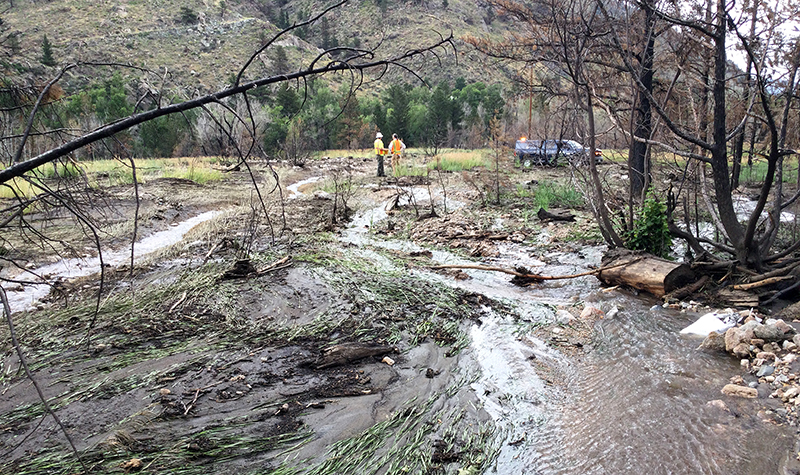
By Colin Barry, PG, CFM Large burning and loss of vegetation and groundcover caused by a wildfire has detrimental impacts to watersheds. With a wildfire, vegetation that usually absorbs precipitation and runoff is burned, which makes the affected area more vulnerable to flooding. Also, wildfires can “bake” the soil underground, making them temporarily impermeable, unable… Read More »
Enhancing Community Environmental Resilience Through Brownfield Revitalization and Process-based Stream Restoration

By Christina Hiegel, PE, and Colin Barry, PG, CFM Environmental challenges are among the concerns many communities grapple with as they strategically plan to become more resilient and ensure a strong, vibrant future. Two frequently occurring environmental challenges are the revitalization of brownfield sites in protection of human and environmental health and the restoration of… Read More »
Tags: Brownfield, Brownfield Revitalization, Environmental Resilience, EPA, Process-based Stream Restoration, resilience, Restoration, Stream, Stream Restoration
Geospatial Community Answers Call to Update Benchmarks
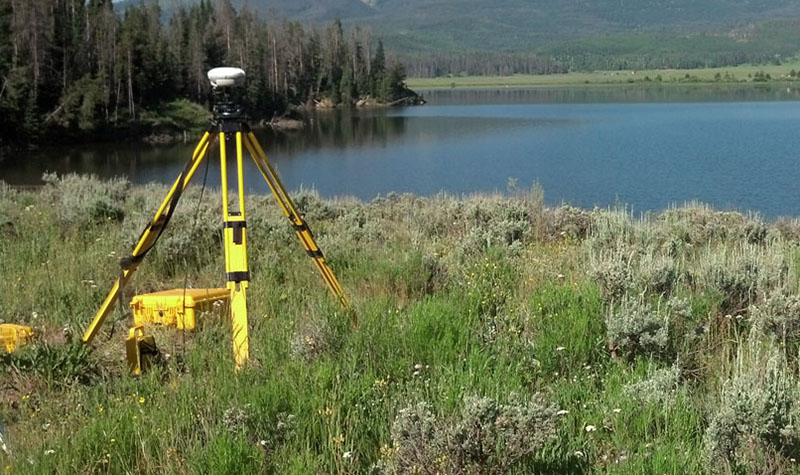
By Dick Kleinmann, PLS, and Mick Heberlein, PLS, PS, CFedS The National Geodetic Survey (NGS) rolled out a program in late 2020 asking surveyors to make GPS observations on existing benchmark monuments nationwide. The intent is to improve the vertical data model and tools that will facilitate transition to new 2022 datums. The effort will… Read More »
Tags: Datum, GPS Observation, National Control Monument Network, National Geodetic Survey, National Society of Professional Surveyors, NSPS, Survey Benchmarks, Surveying, Wisconsin Society of Land Surveyors, WisDOT, WSLS